
Look like an athlete again: Eat enough, recover & Stay lean

Look Like an Athlete Again: Eat Enough, Recover & Stay Lean
September 9th, 2026
Written by Corbin Gaynor
-
Underfueling — not lack of effort — is the most common reason disciplined, hard-training people stop seeing results.
-
Description text goes hereEating enough, recovering with intent, and training with structure work as one system, not three separate boxes to check.
-
This isn't another program. It's a framework you calculate once and adjust for the rest of your training life.
You're training 4 to 5 days a week. You're eating "pretty clean." And the body still hasn't changed — the energy's still gone by 2pm, the bar still feels heavier than it should, and you're starting to wonder if this is just what your 30s feel like now.
It's not, and this isn't another program promising a shortcut. It's a framework — the same one that closes the gap for disciplined, high-performing people who've already proven they can show up. What's usually missing isn't more effort. It's eating enough, recovering on purpose, and training with a structure that matches the goal.
What Does It Mean to "Look Like an Athlete Again"?
"Looking like an athlete again" isn't about chasing a number on the scale or copying someone else's program. It's the outcome of three things working together on purpose: eating enough to actually support the training you're doing, recovering with the same intent you bring to a workout, and training with a structure built around your current capacity — not last year's routine.

The work in the gym only pays off when recovery and fuel are built into the plan, not left to chance.
Done right, this framework produces:
Energy that lasts through a full training session, not just the first twenty minutes
A body composition that finally matches the effort being put in
Food freedom — eating without guilt, restriction, or a binge-and-punish cycle
Performance and recovery that hold up under a demanding job and a full life, not just a training block
The Science Behind Eating Enough & Recovering With Intent
Underfueling: Why the Body Won't Change on Too Little
When calorie or macro intake consistently runs below what training and daily life demand, the body protects itself instead of building itself— energy gets protected, not spent building the muscle or performance you're training for. This is why "eating pretty clean" and training hard can still produce stalled results: the body isn't under-trained, it's under-fueled.
Recovery: Where the Adaptation Actually Happens
Training creates the stimulus; recovery is where the body actually adapts to it. Sleep and rest aren't the absence of training — they're the part of the process where strength, muscle, and performance improvements are actually built. Skip this step and the same training produces less.
The Underfueling Paradox (the real obstacle in this niche)
Here's the obstacle almost every disciplined, hard-training person runs into: being told to eat more to get the results they want feels backwards. It contradicts nearly everything they've been taught about how fat loss and fitness are supposed to work. That skepticism is normal — trust in a coach isn't the same as trust in the method, and the method has to prove itself with real results before the fear fades.
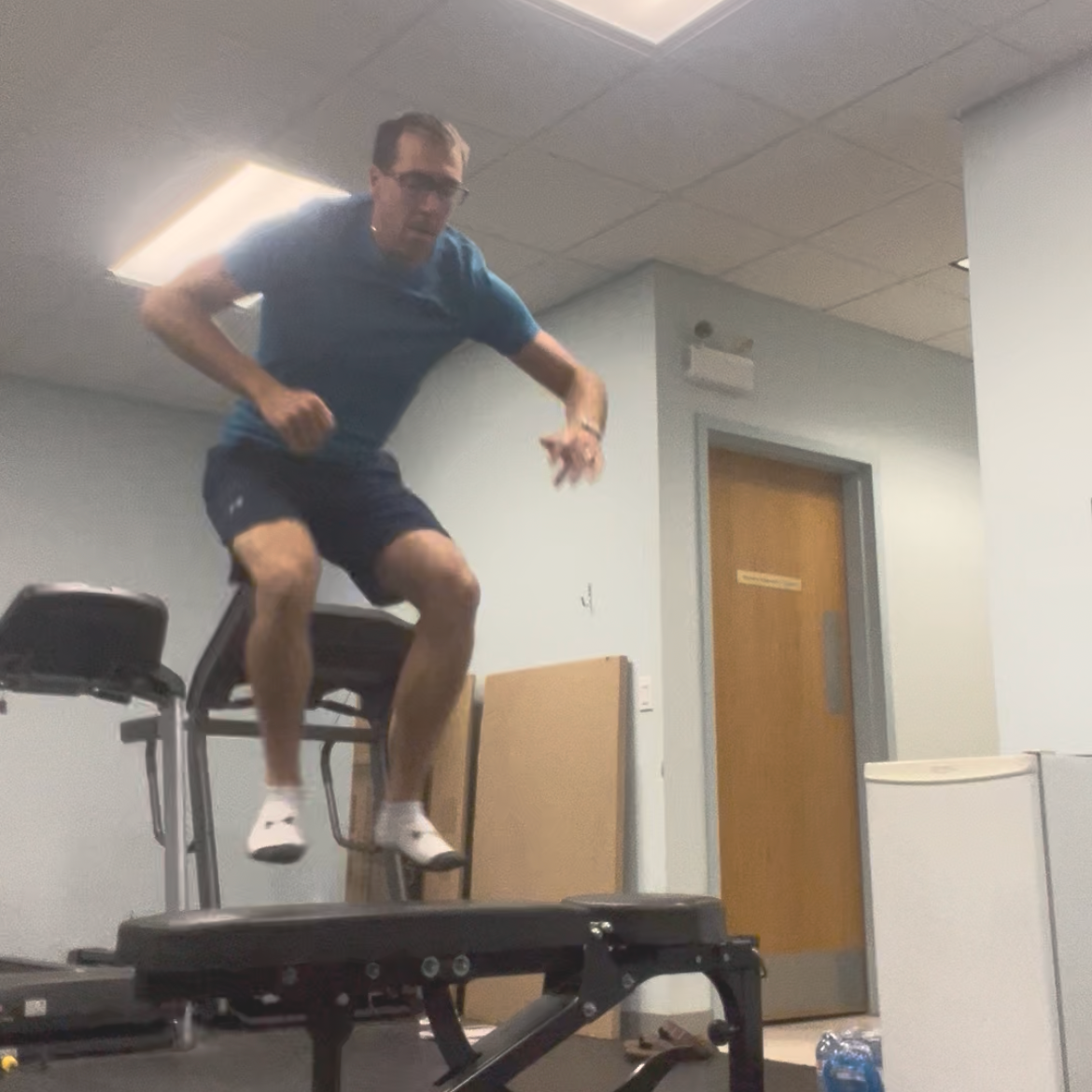
Key Benefits of Eating Enough & Recovering With Intent
Improved Training Performance & Energy: sessions that feel strong start to finish instead of becoming survival by the end.
Sustainable Fat Loss & Body Composition Change: change that holds, because it's built on a deficit the body and training can actually sustain, not a crash that rebounds.
Long-Term Food Freedom & Reduced Burnout Risk: eating enough removes the all-or-nothing cycle and the guilt that comes with it, which is usually what actually breaks consistency long-term.
Does This Sound Like You?
This works best for people who:
Train consistently — CrossFit, lifting, running, rec-league sports — and are still not seeing the results the effort should produce
Have read the guides, listened to the podcasts, and are still guessing at how much they should actually be eating
Feel guilty or worried about eating more, even when part of them suspects it's the answer
Are done guessing based on whatever advice you've heard in the past and want a framework you can run and adjust for the rest of your training life
Value personal responsibility and self-trust enough to want to understand their own numbers, not just follow a meal plan blindly
Building Your Plan: Fuel, Recover, Train
1. Prioritize Your Goal
Every other decision in this framework depends on this one. Are you working toward fat loss, holding steady at maintenance, or building muscle and performance? Each has a different calorie and macro target (see the Nutrition pillar below).
2. Plan Your Weekly Structure
The right structure depends on training experience and current capacity — not a generic template. At a high level, most people training like an athlete are combining strength work with aerobic or endurance training 3 to 6 times a week, with frequency and split scaled up as training age and recovery capacity increase.
3. Use Phases, Not Constant Intensity
Base Phase: building consistency and volume tolerance before pushing intensity.
Build Phase: increasing training intensity and/or calorie surplus toward the specific goal.
Deload Phase: a planned lighter week — the phase most all-or-nothing athletes skip, and usually the one they need most.
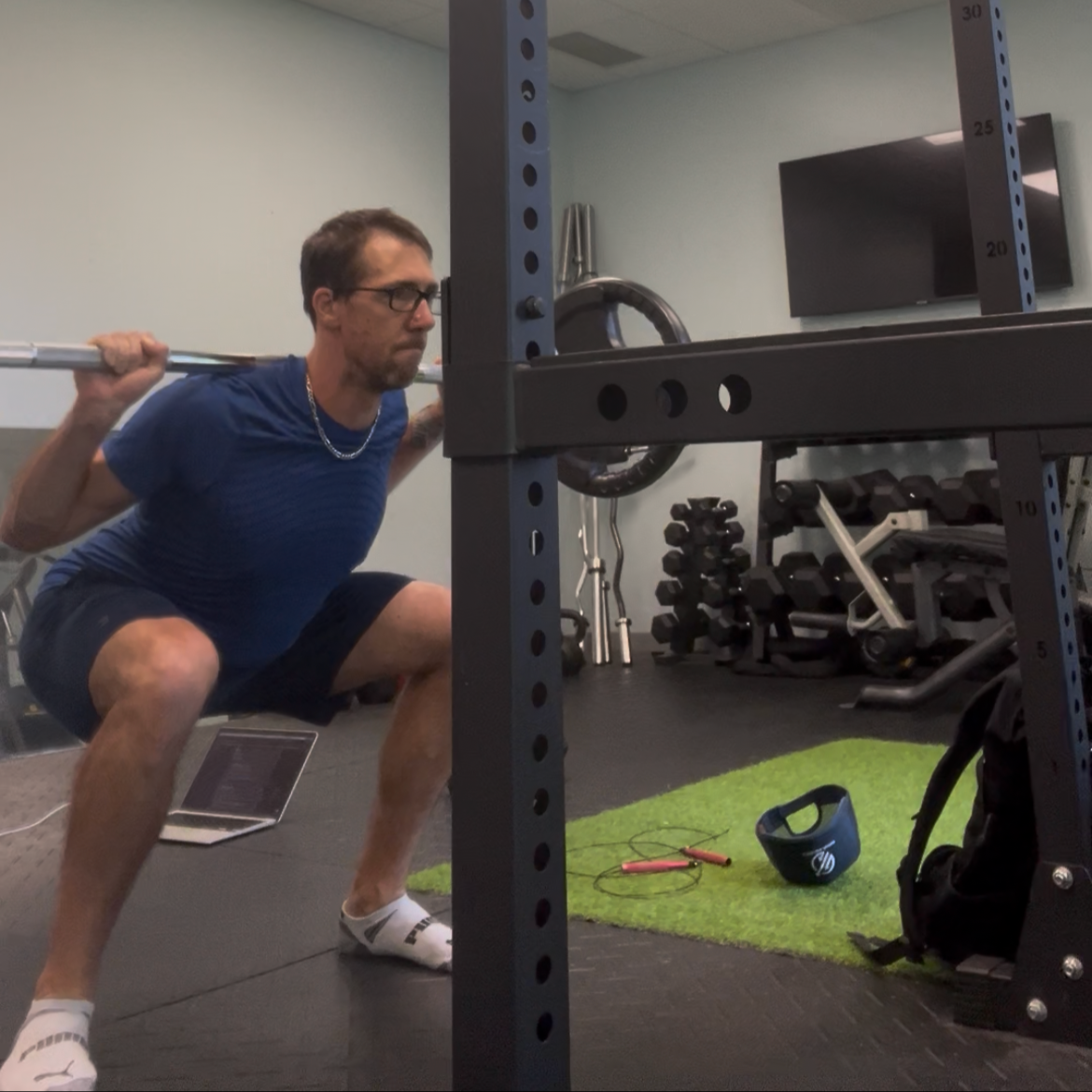
Training hard is the easy part — eating enough to actually support it is where most people fall short.
Nutrition for the Everyday Athlete
Caloric Intake
| Goal | Approach |
|---|---|
| Fat loss | A slight calorie deficit— sized to keep training performance and muscle intact, not to lose weight as fast as possible. |
| Muscle gain / Performance | A controlled calorie surplus— enough to build, without adding unnecessary fat. |
| Maintenance | Calories in match calories out. |
Macronutrient Breakdown
| Macro | Role |
|---|---|
| Protein | Non-negotiable Non-negotiable-0.8–1.2g per lb of bodyweight to help support muscle repair and growth. |
| Fat | 20–30% of daily calories, with a minimum of 0.3g per lb of bodyweight. Supports hormone balance and recovery. |
| Carbs | High intake fuels high intensity and endurance workouts while supporting recovery. |
Hydration & Electrolytes
Training sweats out fluid you have to actively replace — it doesn't happen on its own. As a general target, most people training like an athlete should be getting close to a gallon of water a day, more on heavier training days, with growing attention to electrolytes as training volume increases.
Recovery Strategies for the Everyday Athlete
Sleep
Target 7–9 hours a night. If you can't consistently get there, shift focus to sleep quality: nutrition that supports deep and REM sleep, a genuinely restful environment (cool, dark room), and a consistent circadian rhythm — waking and sleeping within about an hour of your average time daily, weekends included.
Active Recovery
Easy movement on rest days supports blood flow to the muscle, minimizing fatigue and soreness without adding more training stress. A rest day isn't a day off from the plan — it's part of it.
Mobility Work
Regular mobility work supports the range of motion your training actually demands and helps offset the stiffness that comes from a mostly-seated job stacked on top of a hard training schedule.
Common Challenges and How to Overcome Them
Underfueling & Guilt-Driven Restriction: The instinct to cut food when results stall is usually backwards. Overcome it by trusting the numbers over the instinct: calculate your actual calorie and macro target, commit to it for a few weeks without second-guessing, and let your results — not your fear — be the judge.
All-or-Nothing Mindset & Time Management: one missed session or one "bad" meal doesn't erase a week of consistency— progress is measured in weeks, not days. For high-performing schedules, batching meals and planning training around fixed work commitments protects consistency better than willpower does.
Plateauing: The fix is rarely "more." It's usually progressive overload, a deload that was skipped, or a calorie target that hasn't been consistently hit or recalculated as bodyweight or training volume changed. Before adding more volume or intensity, stay consistent with your calories for two weeks and if no change, recalculate your numbers against where your bodyweight and training load actually are now — a plateau is usually a consistency or math problem.
Final Thoughts: Is This Framework Right for You?
If you've been training like an athlete and eating like you're not sure it's allowed, this is usually the missing piece — not more effort, more cardio, or more willpower. Eating enough, recovering on purpose, and training with real structure isn't a diet or another program to follow blindly. It's a framework you calculate once and run for the rest of your training life.

Ready to stop guessing and
get a plan built around your actual numbers?